
Retreats in Mussoorie: Yoga, Wellness & Mountain Escapes
Mussoorie offers a refreshing setting for people who want to step away from busy routines and spend more time in nature. Set in the Himalayan foothills of Uttarakhand, the hill station is surrounded by forested slopes, winding mountain roads and views that open out across the Doon Valley. Its relaxed atmosphere and changing mountain scenery make it an inviting destination for retreats that bring together wellbeing, creativity and time outdoors.
Yoga and meditation retreats can offer a different way to experience Mussoorie. Rather than filling every day with sightseeing, travelers can make space for movement, breathing practices, quiet reflection and moments of stillness. A morning session followed by a gentle walk through the hills or an unhurried afternoon overlooking the valley can become part of a more balanced travel experience. The setting provides a natural backdrop for these activities without requiring every moment to be planned.
Wellness retreats in and around Mussoorie may combine mindful movement, relaxation, nourishing meals, guided nature walks and time away from digital distractions. The right program depends on what you are looking for, whether that means a restorative weekend, a more structured wellness experience or a longer stay built around personal reflection. Travelers should check the specific activities, facilities and inclusions offered by each retreat before booking.
The surrounding landscape also lends itself to nature and creative retreats. Forest trails, mountain viewpoints and the quieter lanes of Landour can offer inspiration for writers, photographers, artists and anyone who appreciates having space to think. Small-group workshops and focused getaways can benefit from an environment where conversations are less hurried and time outdoors becomes part of the experience.
Mussoorie is also worth considering for people who want a retreat without feeling completely disconnected from everyday comforts. Cafes, local markets and accessible day-trip options provide variety between scheduled activities, while quieter hillside areas can offer a greater sense of distance from the busiest tourist streets. Choosing the right base is important, particularly during peak holiday periods when traffic and crowds can affect the overall pace of a stay.
Seasonality plays an important role in planning a retreat here. Spring and autumn are attractive for comfortable outdoor activities and clearer views, while summer offers an escape from the heat of the plains. Monsoon visits can be beautiful, with mist and vivid greenery transforming the hills, but programs involving hiking or outdoor sessions may need flexibility because of rain and changing trail conditions. Winter can bring cold mornings and a quieter atmosphere, making suitable accommodation and indoor facilities especially important.
What makes a retreat in Mussoorie special is the opportunity to experience the mountains without turning every day into an itinerary. Whether you choose yoga, meditation, a creative workshop or simply a few days of mindful travel, the surrounding landscape encourages you to take things at a more comfortable pace. Through XplorKaro, travelers can explore retreat experiences that match their interests and discover a different side of Mussoorie, one shaped by nature, thoughtful experiences and time well spent.
About Mussoorie
Perched high in the Garhwal Himalayas, Mussoorie is a hill station where mountain views, winding roads and quiet forest trails create a welcome change from the pace of everyday life. Located in Uttarakhand, overlooking the Doon Valley, the town has drawn travelers for generations with its cool mountain air, mist-covered hills and old-world charm. But Mussoorie is more than a place to escape the summer heat. It is a destination where time outdoors, unhurried mornings and a closer connection with nature can become part of the travel experience.
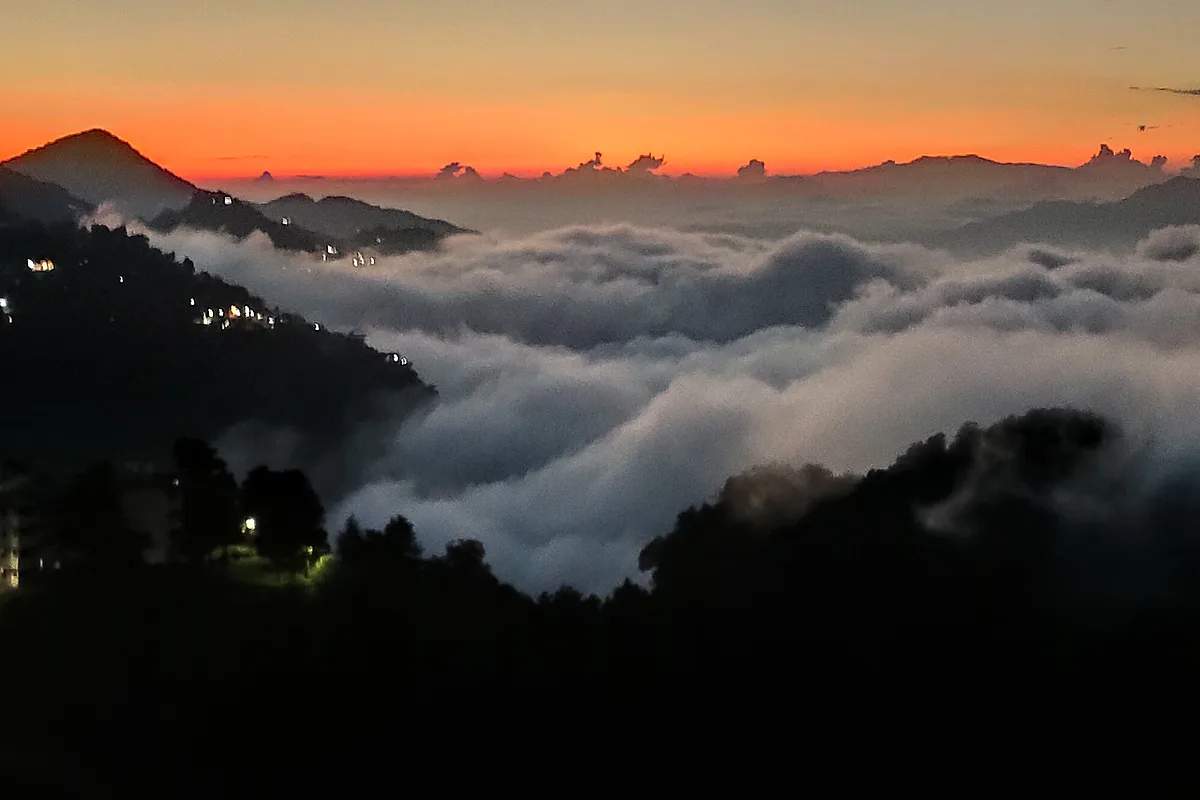
The landscape is one of the first things visitors notice. Hills roll into the distance, pine and deodar forests cover the slopes, and clouds often drift through the valleys below. On clear days, the views stretch across the Doon Valley, while changing weather can transform familiar mountain scenery into something entirely different. Some mornings arrive with golden sunlight over the hills, while others begin with a soft blanket of mist that gives the town its unmistakable character.
Life in Mussoorie has a rhythm of its own. Landour, the quieter hillside neighborhood above the main town, is known for its old houses, forest paths and peaceful atmosphere. Walking through its narrow lanes, stopping at a small cafe or simply sitting somewhere with a view of the mountains can feel like an experience in itself. Further down, Mall Road offers a livelier side of the hill station, with local shops, places to eat and plenty of opportunities to watch everyday life unfold.
For travelers who enjoy being outdoors, Mussoorie offers plenty to explore beyond its familiar viewpoints. Forest walks, hillside trails and excursions towards places such as George Everest and the Kempty Falls area reveal different sides of the surrounding landscape. The changing elevation and scenery make even a short walk feel rewarding, whether the goal is a longer hike or simply a little fresh air away from busy streets.
Food is another part of the experience. Small cafes, bakeries and local eateries bring together familiar North Indian dishes, regional flavors and international influences. In Landour, a slow breakfast or a warm drink on a cool afternoon can become a memorable part of the day. Rather than rushing between attractions, many visitors find that some of the best moments in Mussoorie happen when there is nowhere particular to be.
The town also carries a distinct cultural character shaped by its history, mountain communities and generations of visitors. Old colonial-era buildings sit alongside newer hotels and cafes, while local markets and nearby villages offer glimpses of everyday life in the hills. This mix of heritage and contemporary travel gives Mussoorie an identity that feels different from larger, more commercial holiday destinations.
Mussoorie can be especially appealing to people looking for a break that goes beyond sightseeing. Its natural setting lends itself to yoga sessions, mindful walks, meditation, journaling and creative time away from daily distractions. The cooler mountain air and slower pace can make it easier to step back from crowded schedules and spend more time on activities that often get pushed aside at home. The experience does not have to be elaborate; a peaceful place to stay, time outdoors and a little room to breathe can be enough to make a trip feel restorative.
For retreat organizers and travelers, the surrounding hills offer a setting for small-group gatherings, wellness experiences, writing retreats and mindful escapes. Some visitors may prefer a structured program with guided sessions, while others may simply want a few days to reconnect with themselves and spend time in nature. Mussoorie offers the atmosphere for both, provided the retreat is planned around the right location, season and style of experience.
The weather adds another dimension to a stay here. Spring brings fresh greenery and pleasant days, while autumn often offers clearer skies and beautiful mountain views. Summer is a popular time to visit, particularly for travelers escaping the heat of the plains. During the monsoon, the hills become intensely green and the scenery can feel especially atmospheric, although rain, fog and slippery trails may affect outdoor plans.
What makes Mussoorie memorable is not just its scenery but the way the surroundings invite you to slow down. It might be a quiet walk beneath tall trees, a conversation over coffee, the sight of clouds moving across a valley or an afternoon spent doing very little at all. For anyone seeking a mountain getaway with room for reflection, nature and meaningful experiences, Mussoorie offers a refreshing place to pause and find a gentler rhythm.
FAQs About Mussoorie
Why is Mussoorie a good destination for retreats?
Mussoorie combines Himalayan scenery, forested hills, a cooler climate during much of the year and a relaxed mountain atmosphere. These surroundings make it appealing for yoga, meditation, wellness, mindfulness and creative retreats.
What types of retreats can I find in Mussoorie?
Depending on the available programs, travelers can explore yoga retreats, meditation experiences, wellness getaways, mindfulness programs, nature-based retreats, writing workshops and creative escapes.
How many days should I spend on a retreat in Mussoorie?
A two- or three-day stay can offer a refreshing change of scenery, while four to seven days gives you more time to settle into a retreat schedule, explore the surrounding hills and enjoy a slower pace. Longer programs may suit travelers looking for a more immersive experience.
When is the best time to visit Mussoorie for a retreat?
March to June and September to November are popular periods for visiting Mussoorie. Spring and autumn are particularly appealing for outdoor activities and mountain views. The monsoon brings lush scenery but can also mean heavy rain, fog and disruptions to travel.
Is Mussoorie suitable for a first-time retreat?
Yes. Mussoorie can be a welcoming choice for first-time retreat travelers, especially those looking for nature, relaxation and a break from busy routines. Choose a program that matches your experience level, preferred activities and comfort with a mountain setting.
What can I do in Mussoorie besides attending a retreat?
You can explore forest trails, walk through Landour, visit local cafes and viewpoints, discover the town on foot or take day trips to nearby natural attractions. The best activities depend on the season and current weather conditions.
Are there peaceful places to stay in and around Mussoorie?
Yes. Travelers can explore quieter stays in and around Landour and other hillside neighborhoods, as well as accommodation closer to the main town. For a retreat, consider the noise level, access to nature, transport, facilities and distance from the main tourist areas.